


We can't find the internet
Attempting to reconnect
Something went wrong!
Hang in there while we get back on track
New director Verena Kaspar-Eisert presents her program for the Heidi Horten Collection from 2026 onwards
With the appointment of Verena Kaspar-Eisert, the Heidi Horten Collection positions itself as an open space for reflection and experience, where the collection, exhibition program, and art education interact on equal footing. The existing collection is consistently reinterpreted from a contemporary perspective, strategically expanded—particularly through female and contemporary positions—and placed in dialogue with current societal issues.
The 2026 program spans a thematic arc from the major spring exhibition ANIMALIA. Of Animals and Humans to compelling artistic interventions in public space such as Gottfried Bechtold. Concrete Porsche, as well as a comprehensive solo exhibition dedicated to Elisabeth von Samsonow, and collection presentations focusing on Andy Warhol’s early work. The exhibition program is accompanied by a wide-ranging educational offering with a strong emphasis on inclusion, as well as programs for children and young people.
All details on the program, collection, education, and institutional direction can be found in the press text download.

Foto: Ouriel Morgensztern © Heidi Horten Collection
Press images
Click on the specific images to download a high-res image (.ZIP File)

Heidi Goëss-Horten
Foto: Ouriel Morgensztern © Heidi Horten Collection

Museumsdirektorin Verena Kaspar-Eisert
Foto: Klaus Pichler
© Heidi Horten Collection

Marie-Therese Harnoncourt, Ernst J. Fuchs
(the next ENTERprise architects)
the next ENTERprise architects, ®christian redtenbacher

Heidi Horten Collection Logo

Heidi Horten Collection Logo

Heidi Horten Collection Logo
Like the collection itself, this museum originated in a private initiative. It represents another milestone in the steady evolution of the Heidi Horten Collection, and the art community has been eagerly anticipating it. In 2018, at the Leopold Museum in Vienna, Heidi Goëss-Horten displayed masterpieces from her extensive collection, ranging from classical Modernism to Pop Art to contemporary art. The overwhelming public interest in that endeavor provided the impetus for conserving the vast collection for future generations and sharing it with society.
“By building her museum, Heidi Goëss-Horten has launched her collection toward a cultural future in which it will help define the canon of the history of public art. Its unveiling constitutes a significant contribution to the museum landscape of her hometown of Vienna and, moreover, provides an entirely new opportunity for this exquisite collection to develop. With it, Heidi Horten has joined a long line of women collectors whose vision led them to create forums for public engagement with art,” says Agnes Husslein-Arco, inaugural Director of the Heidi Horten Collection.
Prominently located in the heart of Vienna between the State Opera, the Albertina, and the Burggarten, the former archducal chancellery building makes an ideal location for the collection. Built in 1914 by Archduke Friedrich, the former administrative building was transformed over a period of approximately twenty months into a museum of modern and contemporary art based on the next ENTERprise architects’ design.
Linked by free-floating staircases, the three exhibition levels provide a generous amount of floor space totaling about 1,500 meters. A studio with a terrace provides space for creative educational activities, which Heidi Goëss-Horten is particularly passionate about. The Tea Room is a unique part of the museum because of its historical dimension. Designed by artists Markus Schinwald and Hans Kupelwieser, it is the ideal spot for visitors to relax after touring the museum, a place to immerse themselves in the collector’s world. A small museum garden serves as a display area for sculptures from the collection and is an unexpected oasis of tranquility amid the urban bustle.
The museum’s inaugural exhibition entitled “OPEN” will highlight its striking architecture and invite visitors to discover the new interior spaces. It will effectively stage the building with selected sculptures, light works, and installations. Incorporating new media formats and emerging contemporary approaches, the works on display vividly illustrate the collection’s forward-looking development.
Slated for the fall of 2022, the museum’s next themed exhibition will honor its founder, focusing on one of the key components of her collection: portraits of women and aspects of womanhood. Fashion will take center stage as a pervasive paradigm for the zeitgeist, society, and its transformations. Austrian designer Arthur Arbesser will showcase selected haute couture pieces from Heidi Goëss-Horten’s private collection alongside works by Kees van Dongen, August Macke, Andy Warhol, and contemporary contributions by Sylvie Fleury, Lena Henke, Birgit Jürgenssen, Michèle Pagel, and others.
The museum’s chief aim is to provide visitors with a broad range of ways to experience all the different facets of the collection and present special exhibitions that address themes inherent to it. With the Heidi Horten Collection museum, Vienna—a city with a great affinity to art and culture—has acquired yet another jewel in its cultural crown.
A catalog on the architecture of the building and its history will be available at the opening, as well as a publication on the exhibition.
On Helmut Horten’s asset accumulation
The academic evaluation of Helmut Horten’s entrepreneurial activity during the Second World War was an objective of the collector and of the Helmut Horten Foundation. Heidi Goëss-Horten thus commissioned historian Prof. Dr. Peter Hoeres (University of Würzburg) to write a scientific report on Helmut Horten’s build-up of assets and business in the context of “Aryanization” during the “Third Reich.” The academic research carried out by Prof. Dr. Hoeres took place based on scientific priorities. The results show a differentiated picture of the businessman Helmut Horten and correct some rumors.
The expert report was published on the website of the Chair of Modern History at the History Department of the Julius Maximilians University of Würzburg and is available here (German Version).
A summary of the study is available in this press section.
Further inquiries:
Pia Sääf, press and communication
M: [email protected]
T: +43 664 8454084

Tea Room, Heidi Horten Collection, 2022, Foto: © kunst-dokumentation.com / Manuel Carreon Lopez
Markus Schinwald, Tea Room, 2022 Hans Kuppelwieser, Deckenrelief, 2022 © Foto Lukas Schaller

Tea Room, Heidi Horten Collection, 2022, Foto: © kunst-dokumentation.com / Manuel Carreon Lopez
Markus Schinwald, Tea Room, 2022 Hans Kuppelwieser, Deckenrelief, 2022 © Foto Lukas Schaller

Tea Room, Heidi Horten Collection, 2022, Foto: © kunst-dokumentation.com / Manuel Carreon Lopez
Markus Schinwald, Tea Room, 2022 Hans Kuppelwieser, Deckenrelief, 2022 © Foto Lukas Schaller

Tea Room, Heidi Horten Collection, 2022, Foto: © kunst-dokumentation.com / Manuel Carreon Lopez
Markus Schinwald, Tea Room, 2022 © Foto Lukas Schaller

Tea Room, Heidi Horten Collection, 2022, Foto: © kunst-dokumentation.com / Manuel Carreon Lopez
Markus Schinwald, Tea Room, 2022 © Foto Lukas Schaller

Heidi Horten Collection
Foto: Rupert Steiner
© Heidi Horten Collection
Heidi Horten Collection Foto: Rupert Steiner © Heidi Horten Collection

Heidi Horten Collection
Foto: Rupert Steiner
© Heidi Horten Collection
Heidi Horten Collection Foto: Rupert Steiner © Heidi Horten Collection

Heidi Horten Collection
Foto: Ouriel Morgensztern
© Heidi Horten Collection
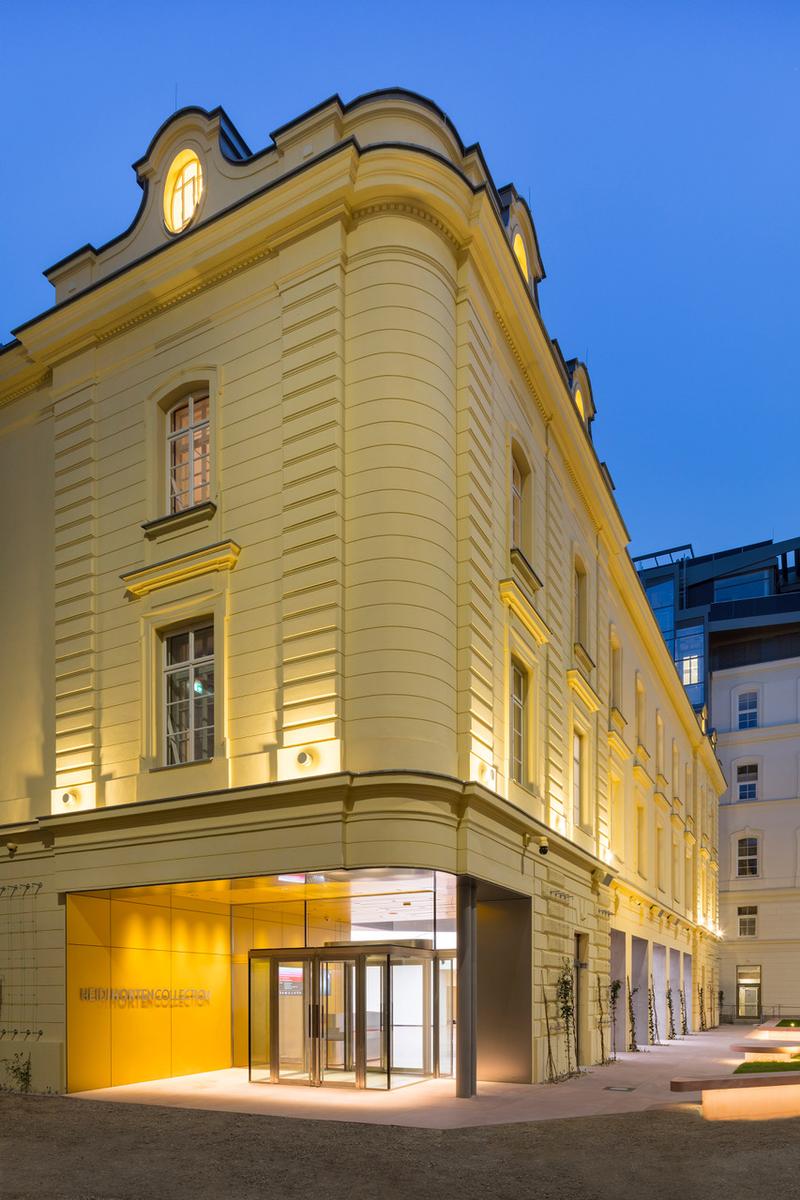
Heidi Horten Collection
Foto: Rupert Steiner
© Heidi Horten Collection
Photo: Rupert Steiner © Heidi Horten Collection
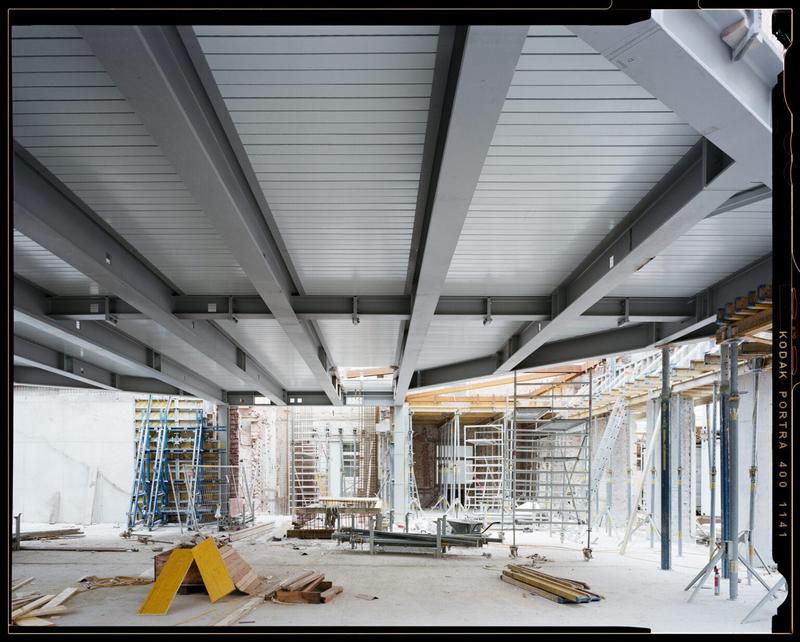
Baudokumentation
Foto: Stefan Oláh
© Heidi Horten Collection
Foto: Stefan Oláh, © Heidi Horten Collection, Bildrecht Wien, 2022
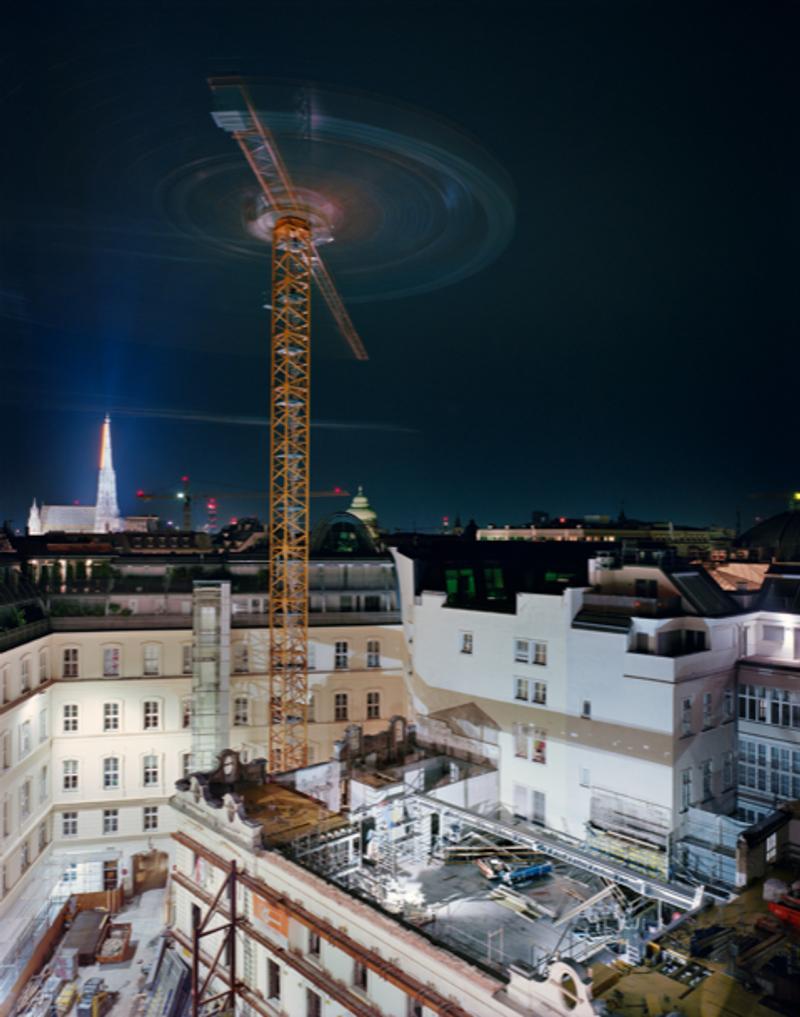
Baudokumentation
Foto: Stefan Oláh
© Heidi Horten Collection
Baudokumentation Heidi Horten Collection Foto: Stefan Oláh, (c) Heidi Horten Collection

Heidi Horten Collection
Foto: Rupert Steiner
© Heidi Horten Collection
Heidi Horten Collection Foto: Rupert Steiner © Heidi Horten Collection

Heidi Horten Collection
Foto: Rupert Steiner
© Heidi Horten Collection
Heidi Horten Collection Foto: Rupert Steiner © Heidi Horten Collection
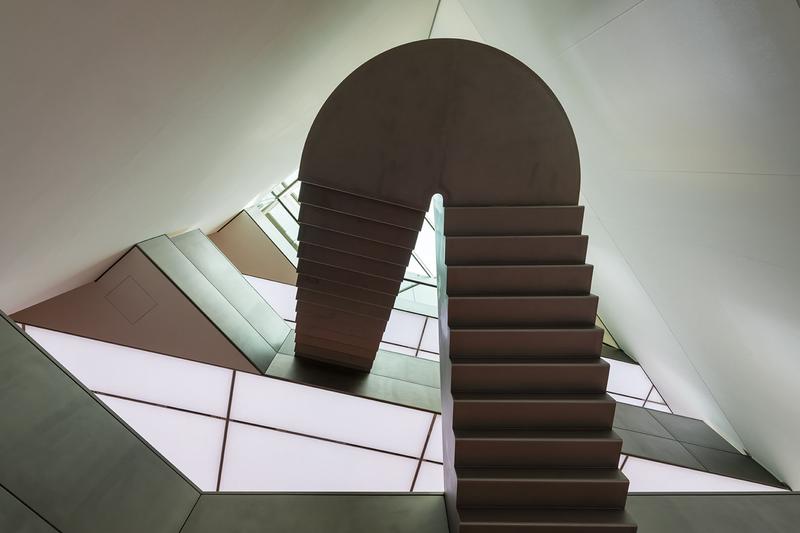
Heidi Horten Collection
Foto: Rupert Steiner
© Heidi Horten Collection

Heidi Horten Collection
Foto: Rupert Steiner
© Heidi Horten Collection
Heidi Horten Collection Foto: Rupert Steiner © Heidi Horten Collection

Heidi Horten Collection
Foto: Rupert Steiner
© Heidi Horten Collection
Heidi Horten Collection Foto: Rupert Steiner © Heidi Horten Collection

Heidi Horten Collection
Foto: Rupert Steiner
© Heidi Horten Collection
Heidi Horten Collection Foto: Rupert Steiner © Heidi Horten Collection

Heidi Horten Collection
Foto: Rupert Steiner
© Heidi Horten Collection
Heidi Horten Collection Foto: Rupert Steiner © Heidi Horten Collection
Press images
Click on the specific images to download a high-res image (.ZIP File)

Heidi Goëss-Horten
Photo: Ouriel Morgensztern, © Heidi Horten Collection
Heidi Goëss-Horten vor einem Werk Francis Bacons, 2019 Foto: Ouriel Morgensztern, © Heidi Horten Collection

Antony Gormley, Pore, 2002/2008 ©Heidi Horten Collection, Foto: Ouriel Morgensztern

Heidi Horten Collection Logo

Erwin Wurm, Hypnosis, 2008/2020 ©Heidi Horten Collection, Foto: Ouriel Morgensztern

Miquel Barceló, Gran Elefant dret, 2007 © Heidi Horten Collection, Foto: Ouriel Morgensztern

Ausstellungsansicht: Klimt ⇄ Warhol Foto: Ouriel Morgensztern © Heidi Horten Collection

Ausstellungsansicht: Klimt ⇄ Warhol Foto: Ouriel Morgensztern © Heidi Horten Collection

Ausstellungsansicht: Klimt ⇄ Warhol Foto: Ouriel Morgensztern © Heidi Horten Collection

Ausstellungsansicht: Klimt ⇄ Warhol Foto: Ouriel Morgensztern © Heidi Horten Collection